European Generic Medicines: What They Are, How They Work, and What You Need to Know
When you hear European generic medicines, affordable versions of brand-name drugs approved under strict EU standards. Also known as generic drugs, they contain the same active ingredients, work the same way, and meet the same safety standards as their brand-name counterparts—just without the marketing costs. In Europe, these medicines are tightly regulated by the European Medicines Agency (EMA), which requires proof of therapeutic equivalence before they can be sold. That means if a generic version of your blood pressure pill is approved, it must deliver the same results in your body as the original brand—no guesswork, no compromises.
But here’s the thing: not all generics are created equal in practice. Some patients report differences in how a generic version feels compared to the brand, even when the active ingredient is identical. Why? It’s not the drug itself—it’s the fillers, coatings, and manufacturing processes. These inactive ingredients can affect how fast the medicine dissolves in your stomach, which changes how quickly it enters your bloodstream. For most people, this doesn’t matter. But for drugs with a narrow therapeutic window—like warfarin, lithium, or thyroid meds—even small changes can cause problems. That’s why providers often track substitutions closely, especially when switching from one generic to another or back to brand.
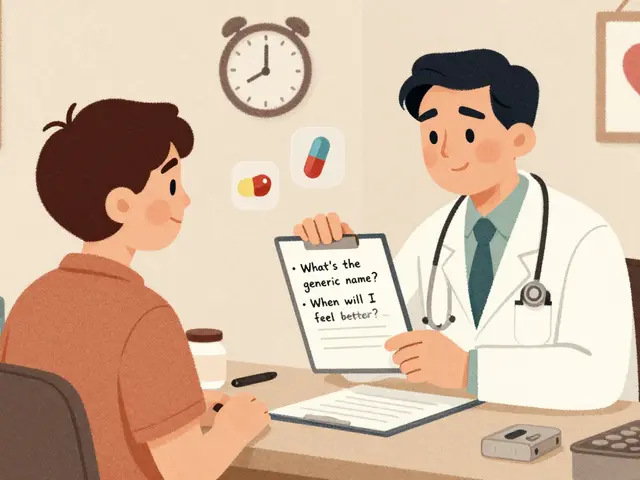
European generic medicines are also a key part of cost-saving strategies across public health systems. Countries like Germany and the UK rely heavily on them to keep prescription costs down. But that doesn’t mean you should just grab the cheapest option without asking questions. If you’ve been stable on a brand-name drug and your pharmacy switches you to a generic without warning, it’s okay to push back. Ask your doctor or pharmacist: Is this substitution approved? Has it been tested for my condition? Have others had issues with it? Real experiences from providers—like those shared in our collection—show that while most generics work perfectly, some substitutions trigger unexpected side effects or loss of control over chronic conditions.
And don’t assume that because it’s European, it’s automatically safe. Counterfeit drugs still slip through, especially when bought from unregulated online sellers. Always get your generics from licensed pharmacies. Look for the EU common logo on websites, and never buy from sites that don’t require a prescription. The same risks that apply to buying cheap Ativan or Wellbutrin online apply here too—fake pills can contain anything from chalk to lethal doses of fentanyl.
What you’ll find below are real stories and practical guides from people who’ve navigated this system. From providers sharing when generics saved lives—and when they nearly cost them—to patients learning how to spot dangerous substitutions, this collection gives you the tools to make smarter choices. Whether you’re trying to cut costs, understand why your pill looks different, or just want to know if a generic is truly safe for your condition, these posts cut through the noise and give you straight answers.