Depression from Opioids: Causes, Risks, and What You Can Do
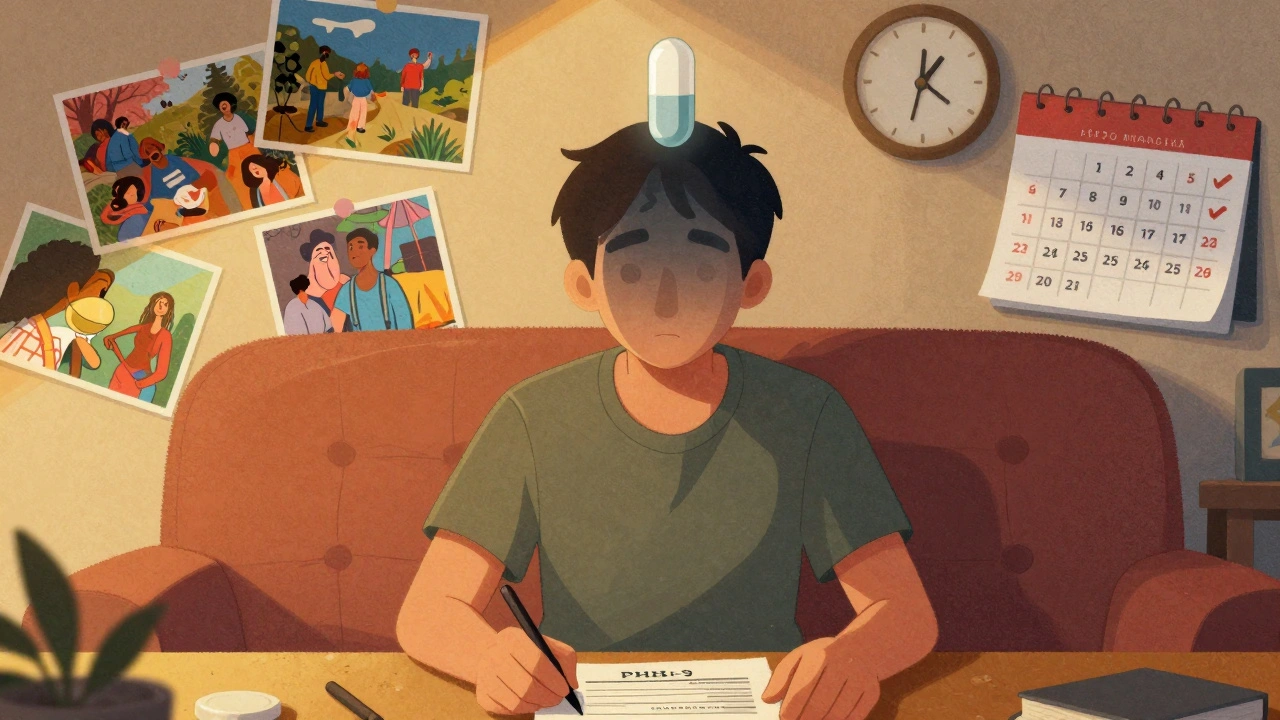
When people take opioids for pain, they often don’t realize one of the most serious side effects isn’t drowsiness or constipation—it’s depression from opioids, a mood disorder triggered by long-term opioid use or withdrawal that alters brain chemistry and reduces natural dopamine production. This isn’t just feeling sad after a bad day. It’s a persistent low mood, loss of interest in life, and sometimes even thoughts of hopelessness that stick around long after the pain is gone. Many assume depression is just a reaction to chronic pain, but research shows opioids themselves can directly cause it—even in people with no prior history of mental health issues.
opioid withdrawal, the physical and emotional symptoms that occur when someone stops taking opioids after regular use is a major trigger. Within days of reducing or quitting, dopamine levels crash. The brain, used to artificial stimulation, struggles to produce its own. That’s when fatigue, irritability, and deep sadness set in. And if you’re already on opioids long-term, your brain’s reward system may not bounce back easily. opioid use disorder, a medical condition where opioid use becomes compulsive despite harm often overlaps with depression, making it harder to quit and easier to relapse. It’s a cycle: pain leads to opioids, opioids cause depression, depression makes pain feel worse, so you take more opioids.
It’s not just about quitting. Even people who take opioids exactly as prescribed can develop depression. Some studies show up to 40% of long-term users report depressive symptoms. And here’s the catch: antidepressants don’t always fix it. If the root cause is opioid-induced brain changes, treating the depression alone won’t solve the problem—you need to address the opioid use too. That’s why doctors now look at both conditions together. Stopping opioids under medical supervision, pairing it with therapy, and sometimes switching to non-opioid pain treatments can help the brain heal.
What you’ll find below are real, practical insights from people who’ve been through this. You’ll see how antidepressants, medications used to treat depression, including SSRIs and SNRIs, which may help when used alongside opioid tapering interact with pain meds, why some people feel worse before they feel better when stopping opioids, and what alternatives actually work for managing both pain and mood. These aren’t theory pieces—they’re grounded in clinical experience and patient stories. No fluff. No guesswork. Just what you need to know to protect your mental health while dealing with chronic pain or opioid use.