Antipsychotic Medications: What They Are, How They Work, and What You Need to Know
When someone is struggling with antipsychotic, a class of medications used to treat psychosis, including symptoms like hallucinations, delusions, and disordered thinking. Also known as neuroleptics, these drugs are often essential for managing conditions like schizophrenia, a chronic brain disorder that affects how a person thinks, feels, and behaves and bipolar disorder, a condition marked by extreme mood swings between mania and depression. Without them, many people can’t function safely or maintain relationships, jobs, or daily routines.
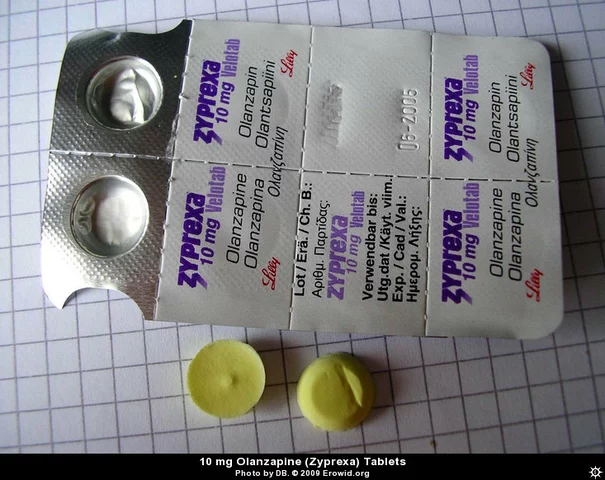
Antipsychotics don’t cure these illnesses, but they help bring symptoms under control. First-generation antipsychotics, like haloperidol, work mainly by blocking dopamine in the brain. Second-generation drugs, like risperidone or olanzapine, also affect serotonin—this often means fewer movement-related side effects, but they can cause weight gain, high blood sugar, or tiredness. Not everyone reacts the same way. Some people feel better quickly; others need to try two or three different meds before finding one that works without too many downsides. It’s not about finding the "best" drug—it’s about finding the right one for your body and lifestyle.
Many of the posts here focus on real-world issues people face with these medications. You’ll find stories about how side effects like drowsiness or tremors impact daily life. Others explain how to spot the difference between a normal side effect and something more dangerous, like a rare but serious reaction called neuroleptic malignant syndrome. There’s also advice on managing weight gain, dealing with medication labels, and avoiding dangerous interactions—like mixing antipsychotics with certain painkillers or herbal supplements. You’ll see how some people use pill splitters to cut costs, or how online pharmacies can be risky if you don’t know what you’re buying. One post even talks about how expectations can make side effects feel worse than they are—something called the nocebo effect. These aren’t theoretical discussions. They’re from people who’ve been there.
There’s no one-size-fits-all approach to antipsychotic treatment. What works for one person might not work for another. That’s why it’s so important to understand what you’re taking, why you’re taking it, and what to watch for. The posts below give you practical tools: how to read your prescription label, how to talk to your doctor about side effects, how to avoid counterfeit meds, and when to ask for alternatives. Whether you’re just starting out or have been on these meds for years, there’s something here that can help you take control—and stay safe.