Opioids and Depression: How Pain Medications Affect Mood and What to Do
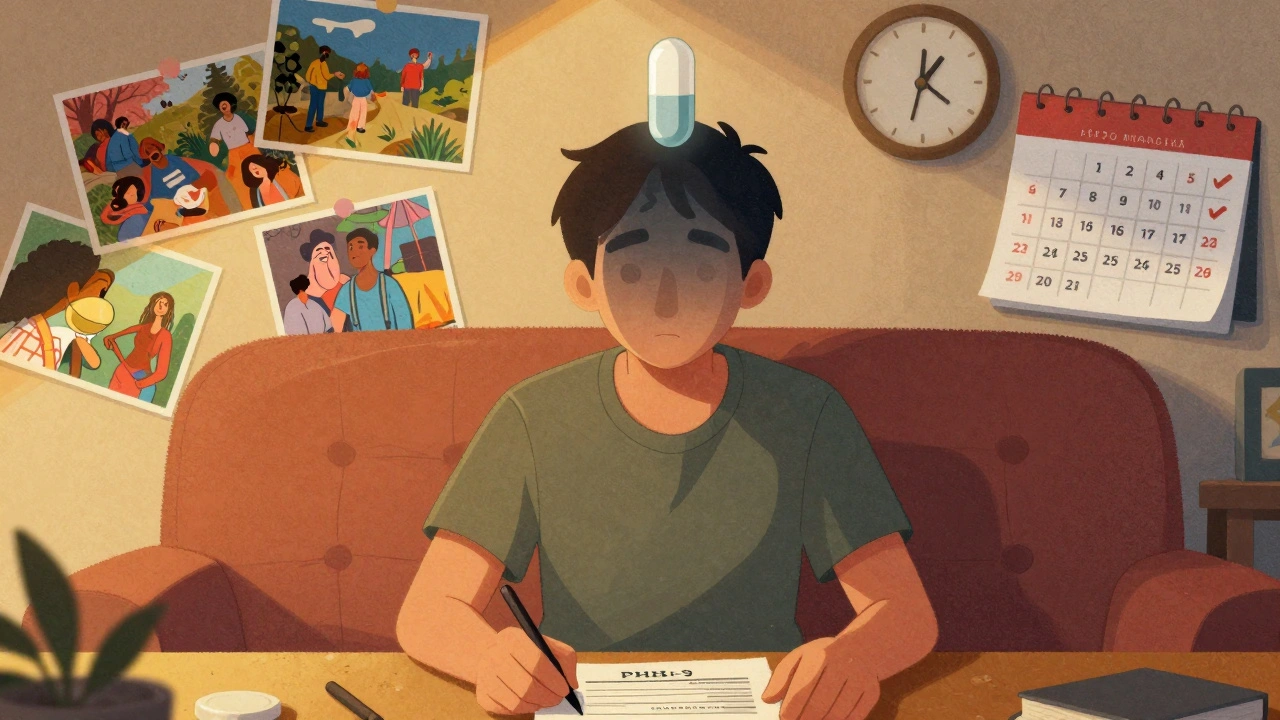
When you take opioids, a class of drugs used to treat moderate to severe pain, including prescription pills like oxycodone and hydrocodone, as well as illegal drugs like heroin. Also known as narcotics, they work by binding to receptors in your brain and spinal cord to block pain signals. But over time, they also change how your brain handles mood, motivation, and pleasure—often leading to depression, a mental health condition marked by persistent sadness, loss of interest, and low energy.
It’s not just in your head. Studies show that long-term opioid use lowers natural levels of dopamine and serotonin—chemicals your brain needs to feel good. This isn’t just a side effect; it’s a biological shift. Many people start taking opioids for back pain or an injury, then find themselves feeling flat, unmotivated, or hopeless—even when the pain is gone. Some even develop depression for the first time after starting these drugs. And when you try to stop, withdrawal symptoms like anxiety, irritability, and deep sadness can make quitting feel impossible. This creates a cycle: you take more opioids to feel better, but they make the depression worse.
It gets more complicated when you’re also on antidepressants, medications used to treat depression, such as SSRIs or SNRIs. Some opioids can interfere with how these drugs work, or make side effects like drowsiness and dizziness worse. And if you’re using opioids for chronic pain while also struggling with depression, you’re not alone—about 1 in 3 people in long-term opioid therapy show signs of clinical depression. The good news? You don’t have to stay stuck. Reducing or stopping opioids under medical care can improve mood over time. Some people find relief with non-opioid pain treatments, therapy, or exercise. Others benefit from switching to safer pain meds or adding behavioral support.
There’s no quick fix, but awareness helps. If you’ve been on opioids for more than a few weeks and notice your mood dropping, talk to your doctor. Don’t assume it’s just stress or aging. Your brain might be reacting to the drug, not your life. And if you’re worried about withdrawal, you don’t have to go it alone—there are proven ways to taper safely and support your mental health through the process. Below, you’ll find real stories and science-backed insights from people who’ve been through this, and the doctors who help them find their way out.