INR Changes: What Affects Your Blood Thinners and How to Stay Safe
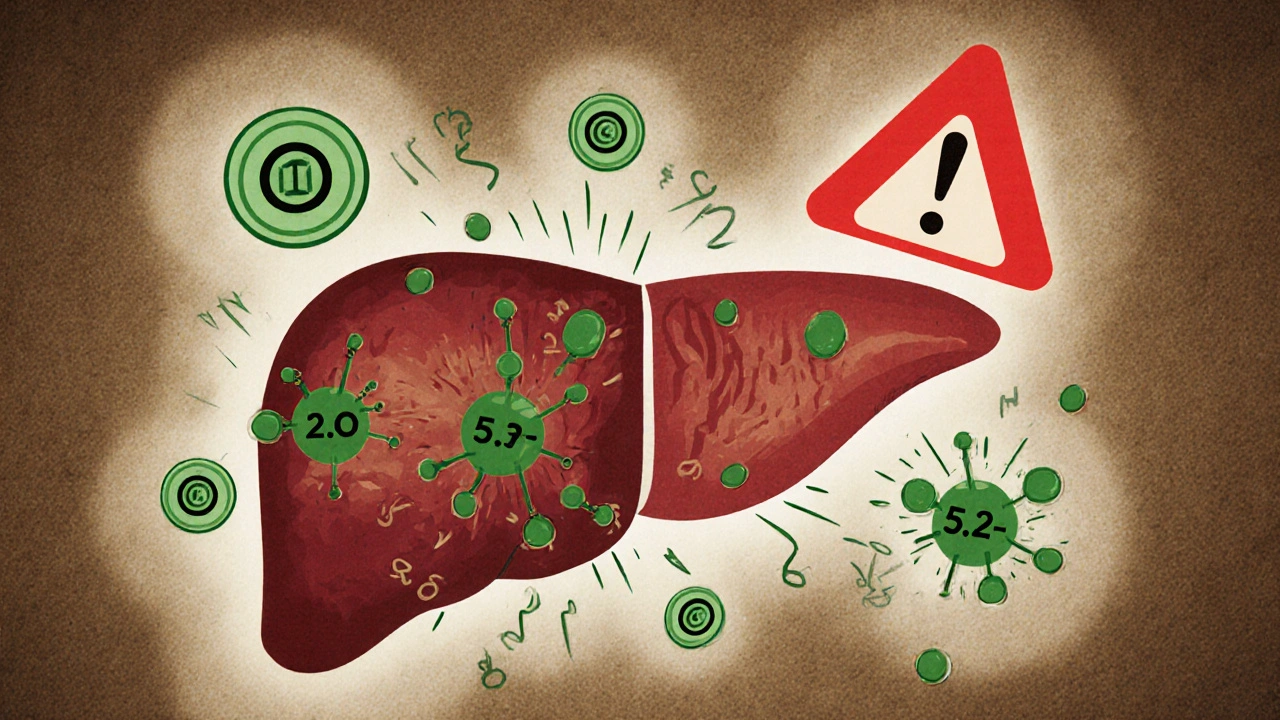
When you're on a blood thinner like warfarin, a vitamin K antagonist used to prevent dangerous blood clots. Also known as Coumadin, it requires regular monitoring because small changes in your body can throw off your INR — the number that tells your doctor how long it takes your blood to clot. An INR that’s too low means you’re at risk for a stroke or clot. Too high, and you could bleed internally without warning. It’s not just about taking your pill — it’s about everything else in your life.
Many things shift your INR, and they’re not always obvious. Vitamin K, a nutrient in leafy greens that directly counteracts warfarin can drop your INR if you suddenly eat more kale or spinach. On the flip side, alcohol, even moderate amounts, can boost warfarin’s effect and spike your INR. Then there are common meds: antibiotics, like amoxicillin or ciprofloxacin, can interfere with how your liver breaks down warfarin, leading to dangerous spikes. Even herbal supplements like garlic, ginkgo, or St. John’s wort can mess with your levels. And don’t forget smoking — quitting cold turkey can make your INR climb fast, as your body adjusts to less CYP1A2 enzyme activity.
It’s not just about what you take. Your liver health, thyroid function, and even your gut bacteria play roles. A recent illness, weight loss, or new diet can change how your body handles warfarin. That’s why your INR doesn’t stay steady for long — and why checking it regularly isn’t optional. The goal isn’t to avoid change, but to understand it. When your INR shifts, it’s not a failure. It’s feedback.
What you’ll find in these posts isn’t just theory. Real stories from people managing warfarin, doctors explaining how drugs like clozapine or statins interact with anticoagulants, and clear guides on reading your lab results. You’ll see how food, supplements, and even travel affect your numbers — and what to do when things go off track. No fluff. Just what you need to stay safe and in range.