CYP1A2: What It Is, How It Affects Your Medications, and What You Need to Know
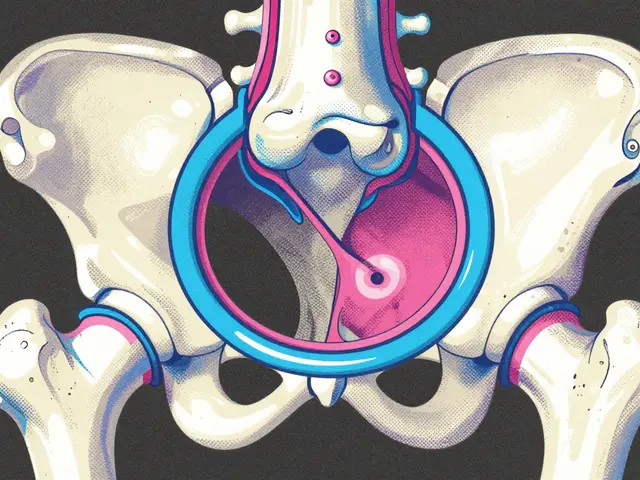
When you take a pill, your body doesn’t just absorb it and call it a day. It has to break it down—and one of the main workers doing that job is CYP1A2, a liver enzyme that processes over 10% of commonly prescribed drugs. Also known as cytochrome P450 1A2, it’s one of the most important players in how your body handles medication. If CYP1A2 is working too fast or too slow, your drug might not work at all… or it could build up to dangerous levels.
This enzyme doesn’t work in a vacuum. It’s affected by things you do every day. Smoking? That turns CYP1A2 up like a faucet—making drugs like clozapine or theophylline clear out of your system faster. Drinking grapefruit juice? That’s more about CYP3A4, but caffeine? That’s CYP1A2’s favorite snack. If you’re sipping coffee while taking fluvoxamine or olanzapine, you might be slowing down how fast your body clears those drugs. And if you’re on a statin like pitavastatin, or an antiviral like ritonavir, you’re already in the crosshairs of enzyme interactions. CYP3A4, another major liver enzyme that works alongside CYP1A2 to process drugs, often shares the same medications, so when one is blocked or boosted, the other gets pulled in too. Then there’s P-glycoprotein, a transporter that moves drugs in and out of cells, often working hand-in-hand with CYP enzymes to control drug levels. These systems don’t just talk to each other—they argue, compete, and sometimes shut each other down.
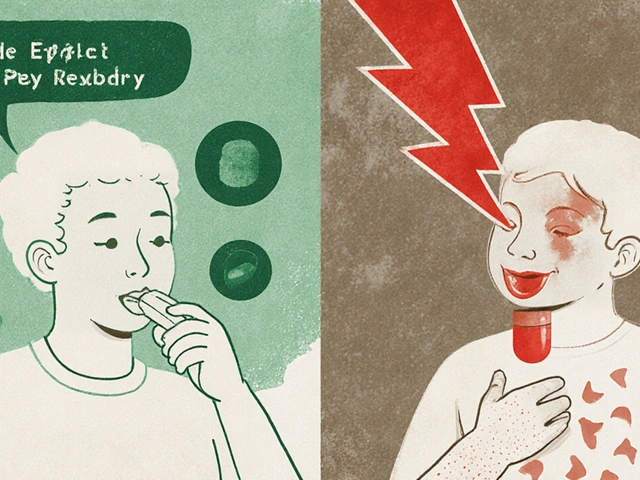
That’s why some people feel nothing from a dose that works for others, or why a side effect shows up out of nowhere. It’s not always about the drug. It’s about what’s happening in your liver. A study from the Journal of Clinical Pharmacology found that smokers on clozapine needed nearly twice the dose of nonsmokers just to get the same effect—because CYP1A2 was running overtime. Meanwhile, people who take fluvoxamine (an antidepressant) and also drink a lot of coffee can end up with jitteriness, heart palpitations, or worse—because fluvoxamine shuts down CYP1A2, letting caffeine pile up.
And it’s not just drugs. Charcoal-grilled meat, air pollution, even some herbal supplements like St. John’s wort can tweak CYP1A2 activity. That’s why a medication that worked fine last month might suddenly cause problems after you started a new diet, picked up smoking, or switched to a different brand of tea. Your body’s chemistry isn’t static. It’s a living system, and CYP1A2 is one of its busiest managers.
Below, you’ll find real-world stories and expert breakdowns on how this enzyme affects everything from thyroid meds to antivirals, painkillers to antidepressants. You’ll learn which drugs are most sensitive to CYP1A2 changes, how to spot when it’s causing trouble, and what you can actually do about it—without guessing or risking your health.