Autoimmune Myopathy: When Your Immune System Attacks Your Muscles
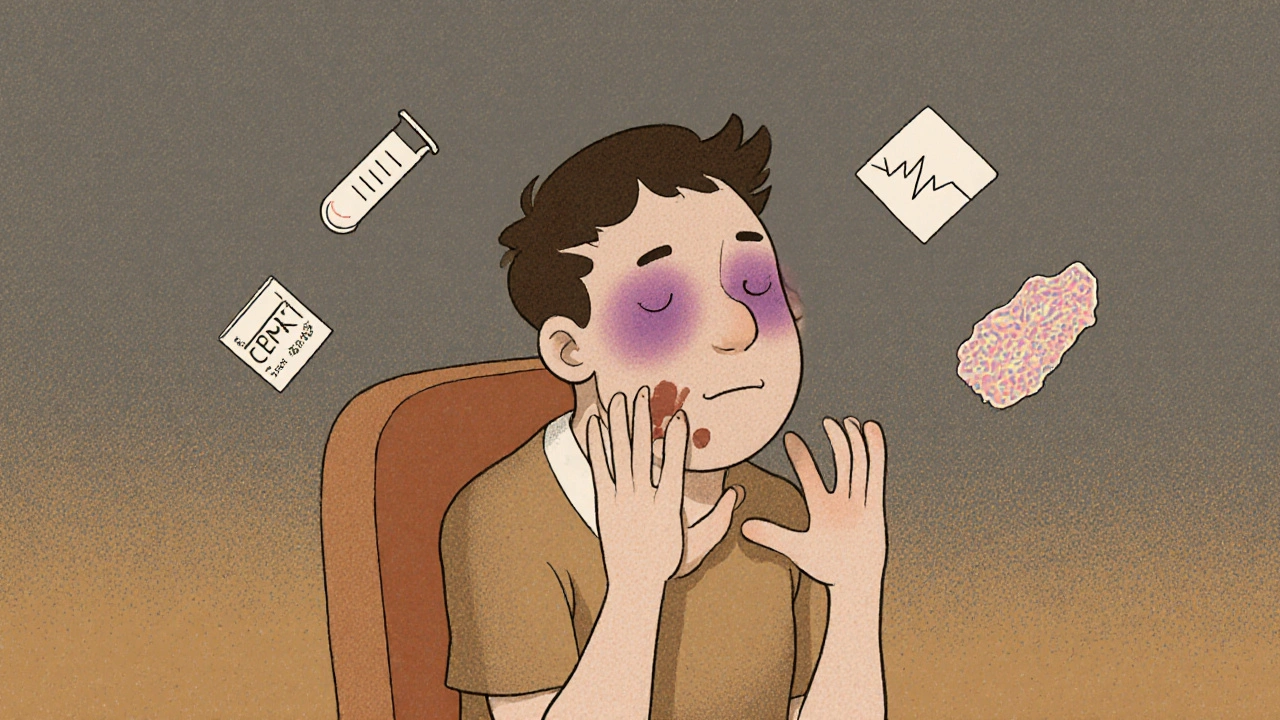
When your autoimmune myopathy, a condition where the immune system mistakenly targets muscle tissue, leading to progressive weakness and inflammation. Also known as inflammatory myopathy, it’s not just about feeling tired—it’s about losing the ability to do simple things like climb stairs, lift groceries, or even stand up from a chair. Unlike regular muscle soreness from a workout, this weakness doesn’t go away with rest. It creeps in slowly, often starting in the hips and shoulders, and gets worse over weeks or months.
This isn’t just one disease—it’s a group of conditions that all share the same core problem: your body’s defenses turn against itself. myositis, the general term for inflamed muscles, often used interchangeably with autoimmune myopathy in clinical settings includes subtypes like polymyositis, dermatomyositis, and necrotizing myopathy. Each has different triggers and symptoms, but they all involve immune cells invading muscle fibers. Some people develop it after an infection or virus; others have it linked to cancer or other autoimmune disorders like lupus. What’s clear is that it’s not caused by laziness, aging, or poor fitness—it’s a biological malfunction.
Diagnosing autoimmune myopathy isn’t easy. Blood tests often show high levels of muscle enzymes like CK, but the real clue comes from muscle biopsies and specialized antibody tests. Doctors look for specific markers like anti-HMGCR or anti-SRP antibodies, which help tell one type apart from another. Treatment usually starts with immunosuppressants, medications that calm down the overactive immune response, such as corticosteroids or methotrexate. But these drugs come with side effects—weight gain, bone loss, increased infection risk—so finding the right balance is key. Physical therapy isn’t optional; it’s essential to prevent muscles from shrinking further.
You won’t find a quick fix, but many people regain strength with the right plan. Some respond well to IVIG (intravenous immune globulin), others need biologics like rituximab. Lifestyle changes matter too—eating enough protein, avoiding overexertion, and managing stress can all support recovery. And while some of the posts here talk about pill splitting, travel kits, or statin side effects, they all tie into the same bigger picture: managing complex health conditions with smart, informed choices. Below, you’ll find real guides on medication safety, drug interactions, and how to navigate treatment without falling for myths or scams. This isn’t just about understanding a diagnosis—it’s about taking back control.